
Sustainable Solutions for a Cleaner, Greener Future!
Learn More About MVW
Learn more about M Vest Water
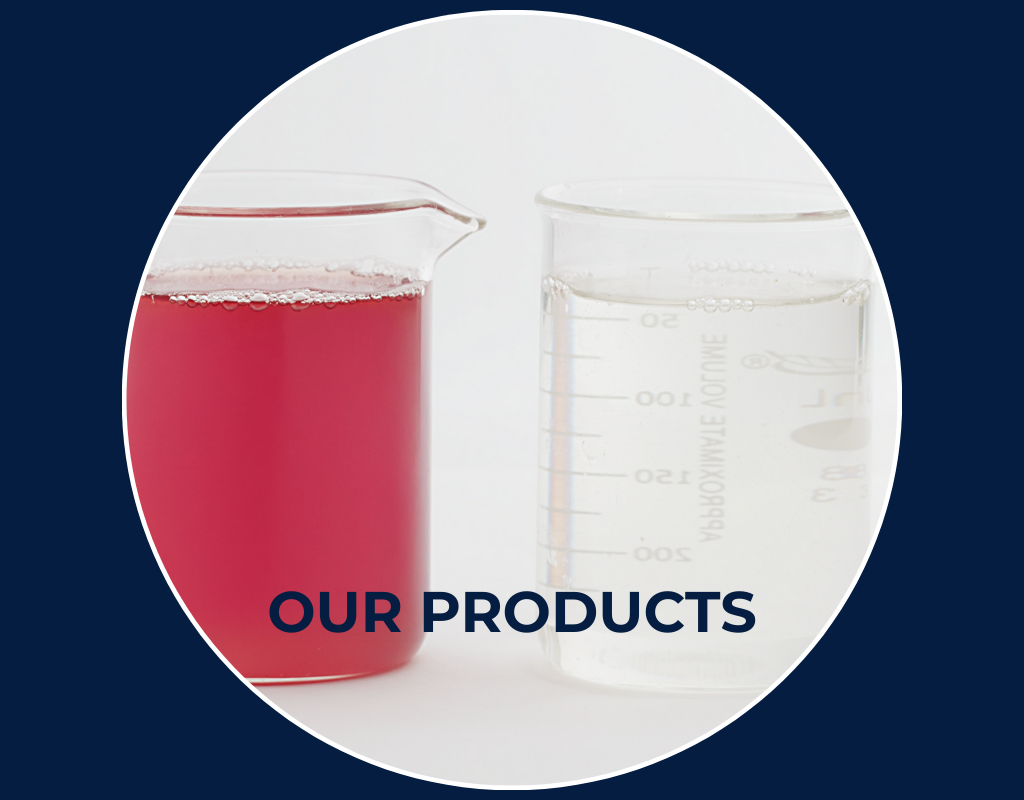
Our NORWAFLOC® Products
Learn more about our flagship product NORWAFLOC®, a range of biodegradable and natural-based chemicals.

Our Solutions
Learn more about our customized water treatment and dewatering solutions.
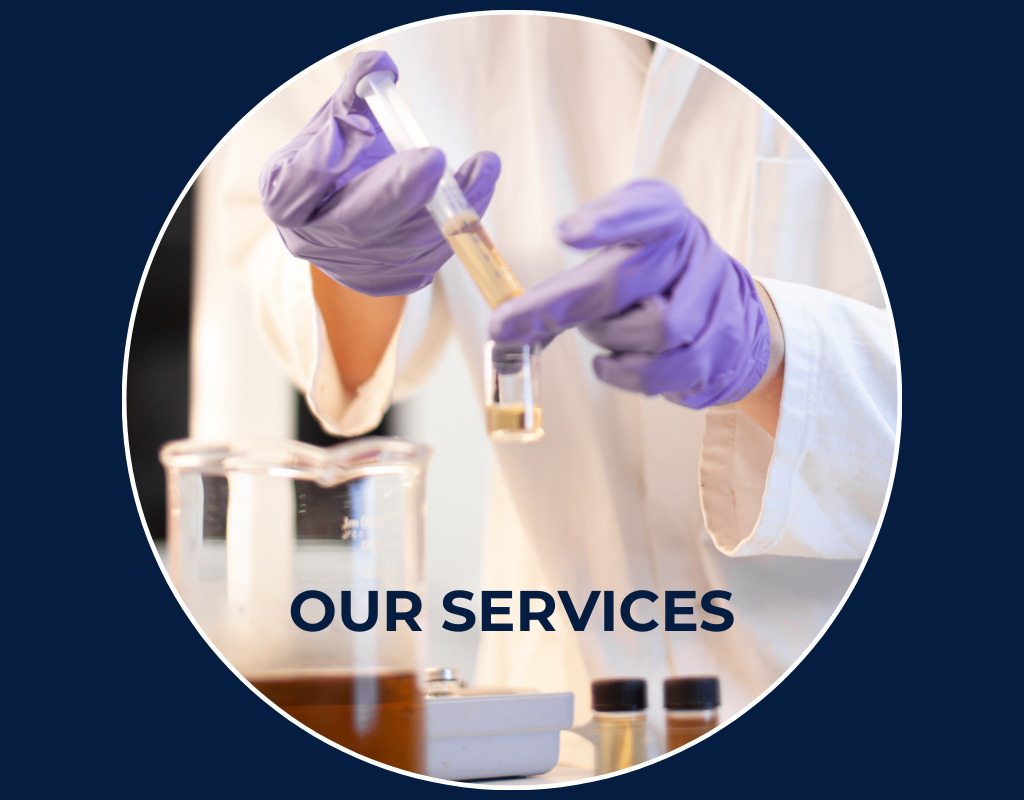
Our Expertise and Services
Learn more about how MVW's expertise and services enable compliance with BAT-AEL requirements.
Our NORWAFLOC® Products
Learn more about our flagship product NORWAFLOC®, a range of biodegradable and natural-based chemicals.
Our Solutions
Learn more about our customized water treatment and dewatering solutions.
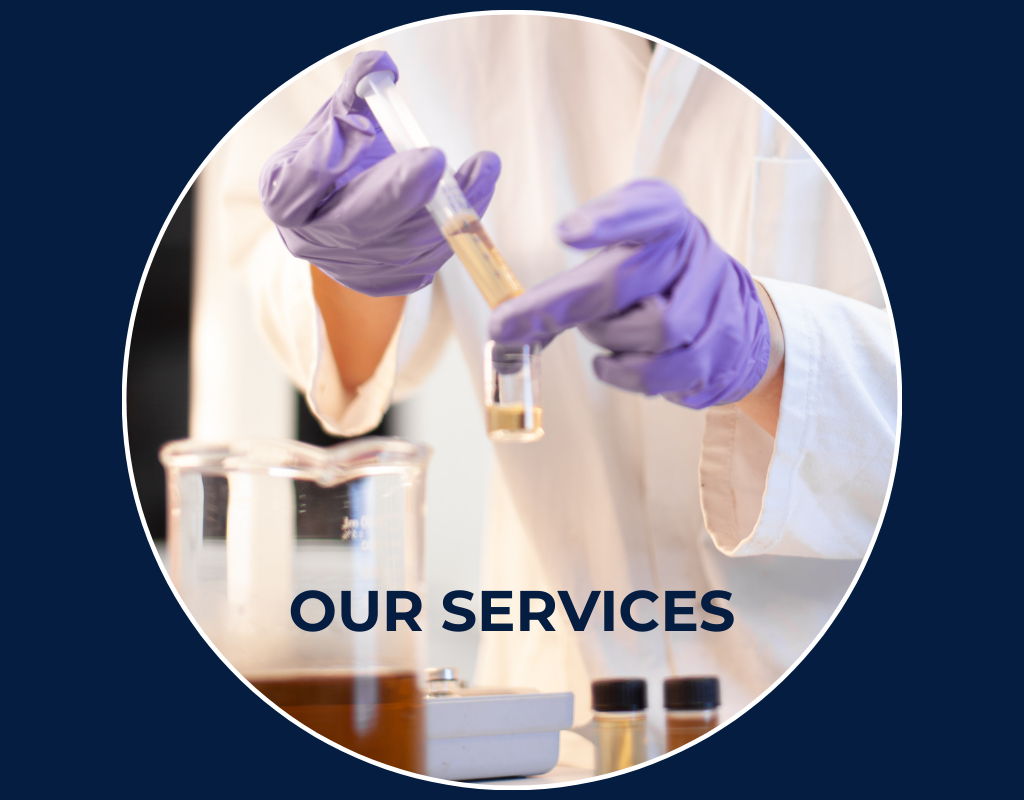
Our Expertise and Services
Learn more about how MVW's expertise and services enable compliance with BAT-AEL requirements.
Benefits of our Solutions
Benefits of our Solutions
Licence to Operate
Securing operating licenses for the aquaculture industry under new regulations.
Achieving BAT-AELs
Treating discharged water to meet acceptable BAT-AEL levels.
Maximizing Sludge Value
Preserving valuable properties of the waste sludge to maximize its value.
Reducing Transportation Costs
Reducing water content in waste sludge to lower transport costs.
Our Partners
Our Partners

Aquaculture News
Aquaculture News
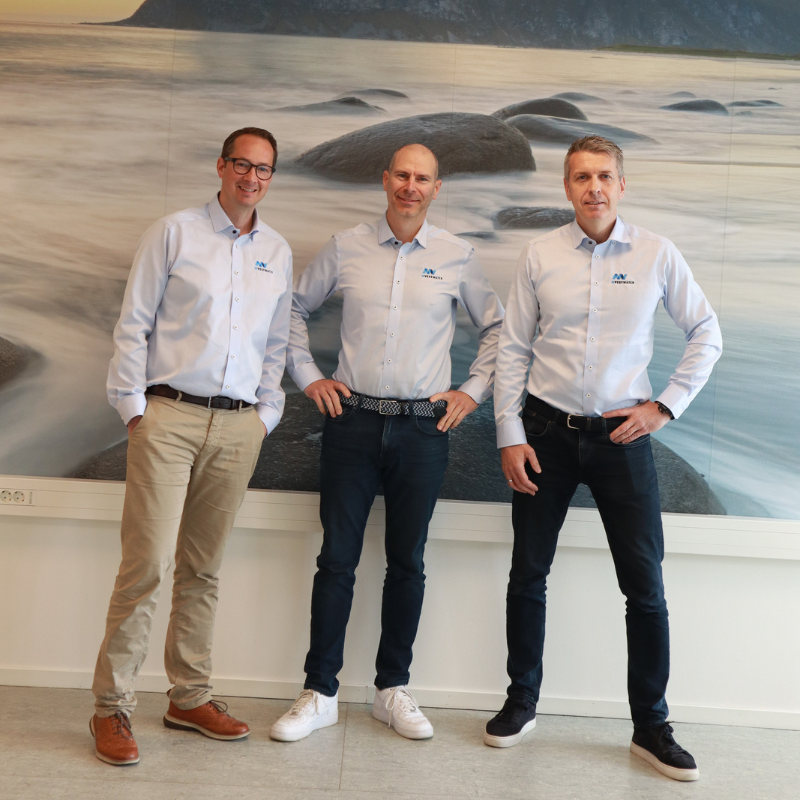
M Vest Water -Newcomer at Aqua Nor
Innovative technology for stringent water treatment regulations.
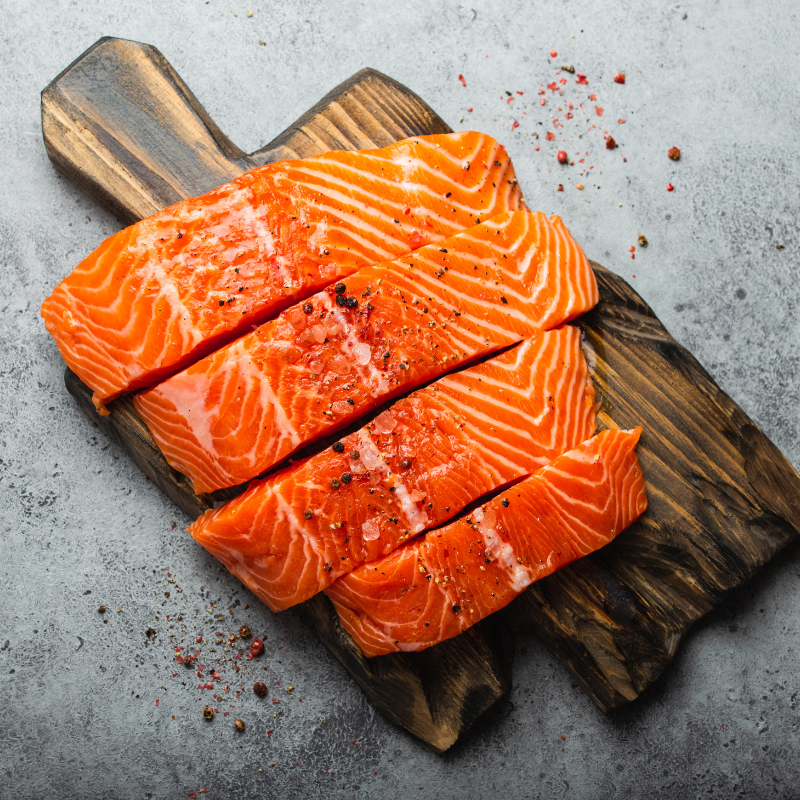
Contract award from a global leader in the aquaculture industry
MVW has secured an order to implement an upgrade to our water treatment solution for a salmon slaughterhouse.
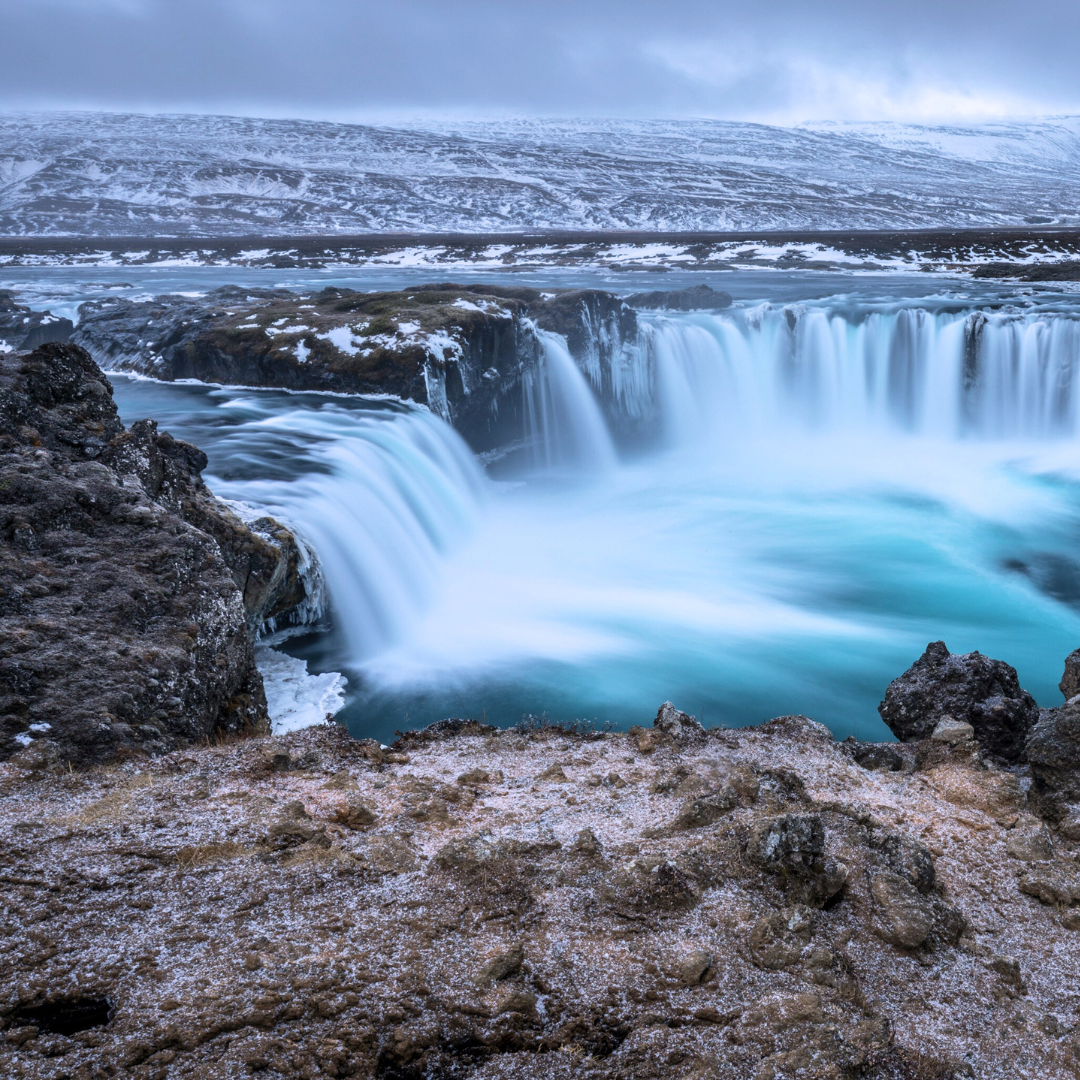
Contract award from an Icelandic salmon slaughterhouse
MVW is proud to deliver the best available technology (BAT) to the first salmon slaughterhouse outside of Norway.
Newcomer at Aqua Nor - Innovative technology for stringent water treatment regulations.
Contract award to a global leader in the aquaculture industry -MVW has secured an order to implement an upgrade to our water treatment solution for a salmon slaughterhouse.
Contract award from an Icelandic salmon slaughterhouse -MVW is proud to deliver the best available technology (BAT) to the first salmon slaughterhouse outside of Norway.
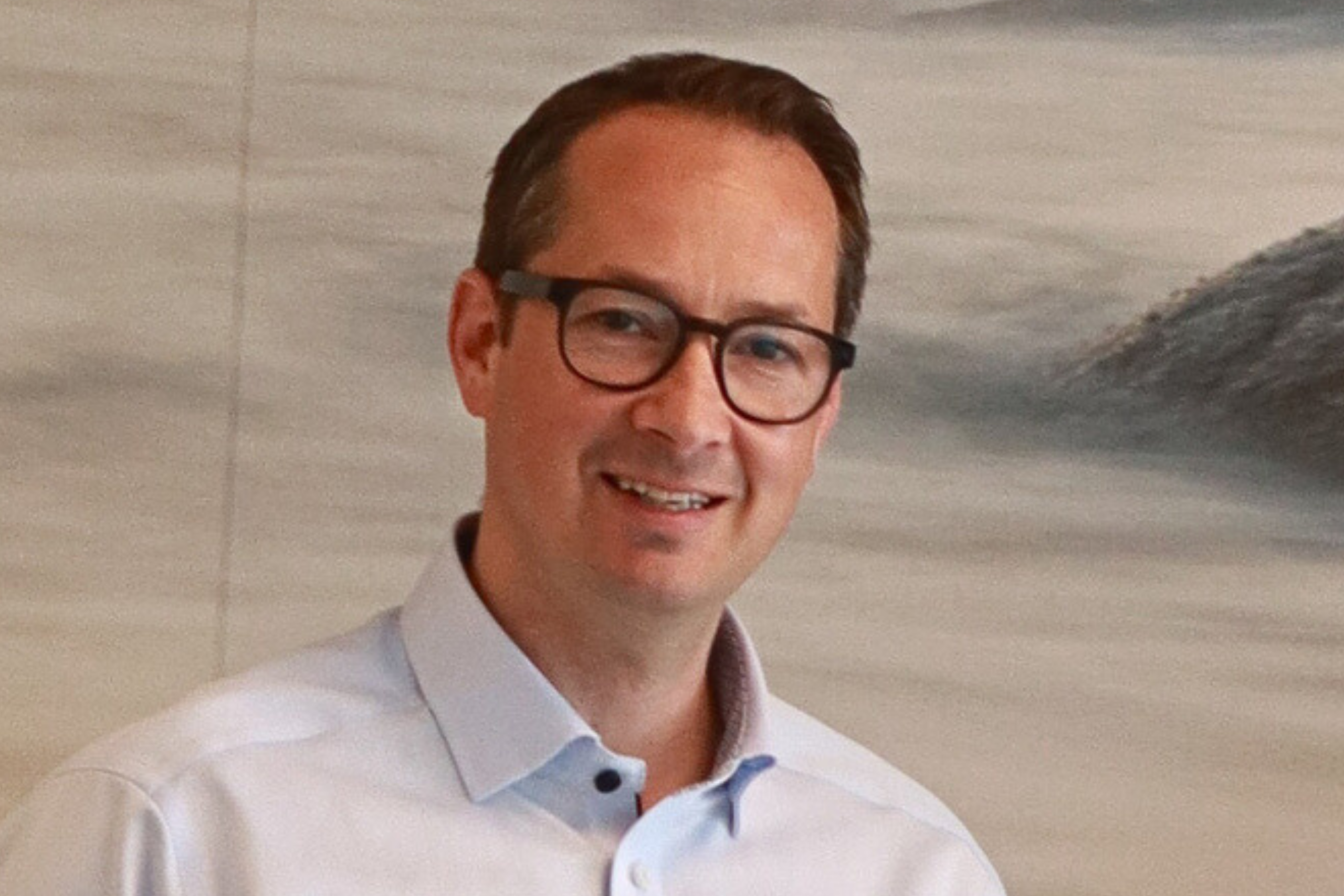
Henrik Meland Madsen (COO)
Henrik Meland Madsen (COO)
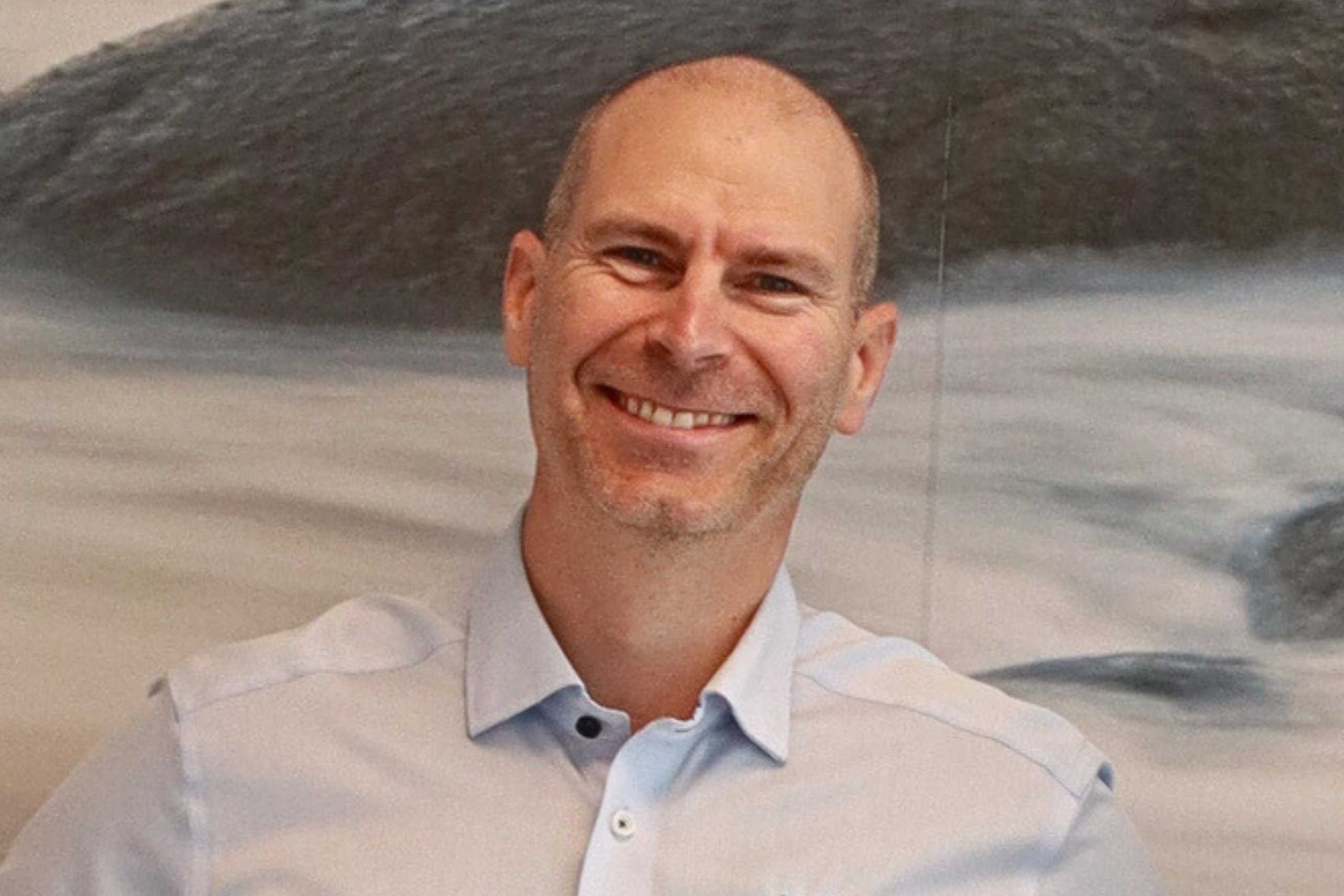
Sigve Lothe (Technical Manager)
Sigve Lothe (Technical Manager)
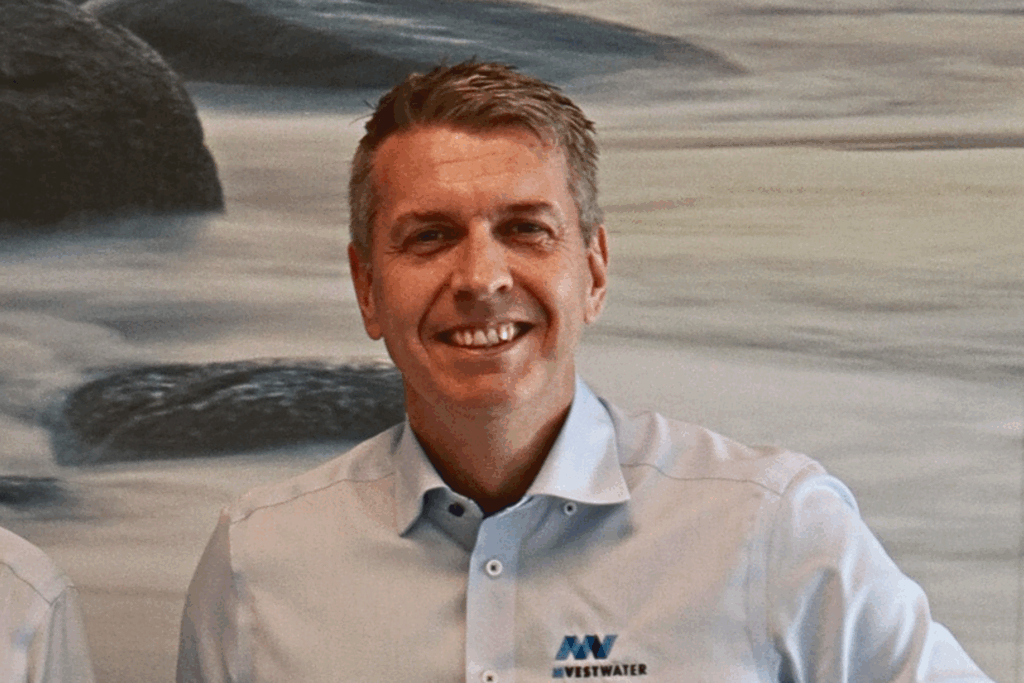
Morten Hilton Thomassen (CFO)
Morten Hilton Thomassen (CFO)
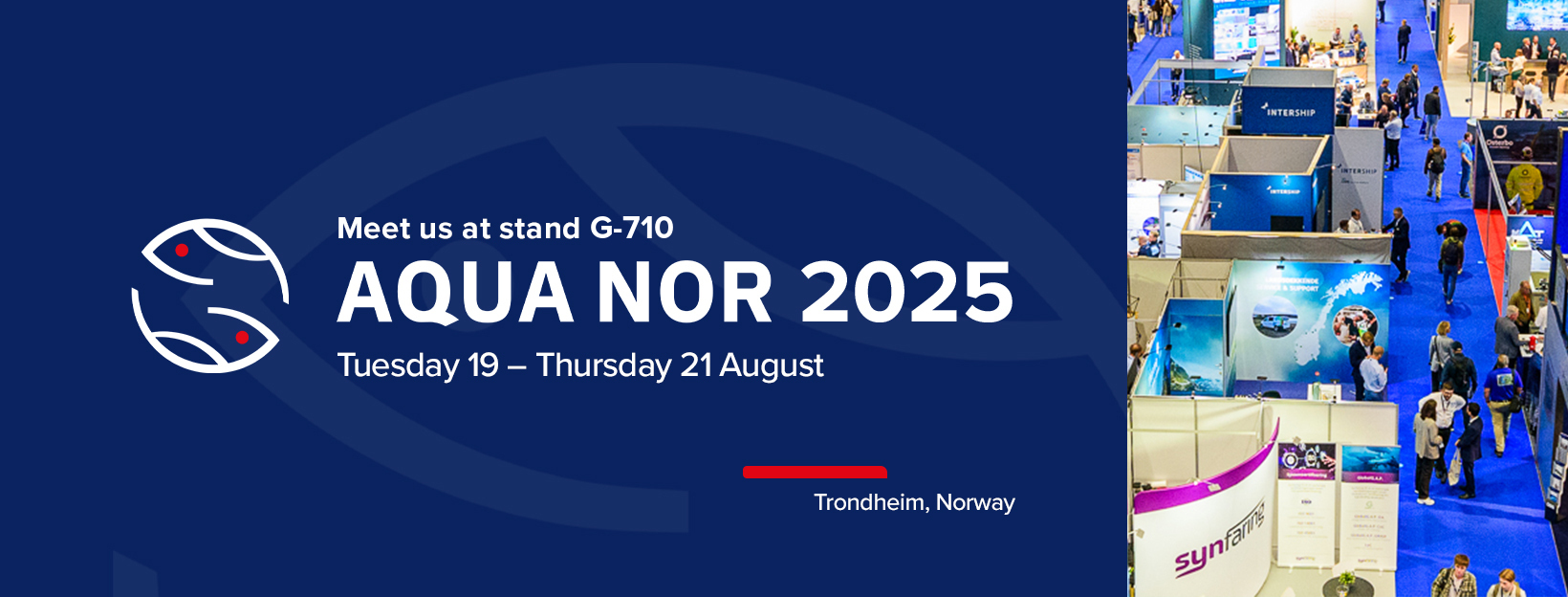
WATER TREATMENT
& DEWATERING
MEET BAT-AEL !
WATER TREATMENT & DEWATERING
FREQUENTLY ASKED QUESTIONS
FAQ
Frequently asked questions about MVWs technology, products, water treatment and dewatering solutions.
What is the MVW solution for aquaculture wastewater treatment?
The MVW solution is a chemical treatment process that helps salmon slaughterhouses comply with strict discharge requirements. It uses NORWAFLOC® chemicals for simple and cost-efficient removal of organic contaminants and can be added to existing plants. Read more about our solutions here.
How does the MVW solution work?
NORWAFLOC® is dosed and mixed into the wastewater, causing organic particles to bind together. The mixture then passes through a flotation tank, where the clean water is separated from the organic pollution “ the sludge”. Read more about our solutions here.
Can the MVW solution be installed in existing facilities?
Yes. It can be integrated into most of the existing slaughterhouse with minimal modifications, avoiding extensive construction.
Can the MVW solution be used in industries other than aquaculture?
Yes. Our products and solutions are available for a wide range of industry segments and applications, including oil and gas, dredging and more.
How cost-effective is the MVW solution compared to other treatment options?
It requires minimal equipment upgrades, uses low amounts of chemicals and has low operational costs.